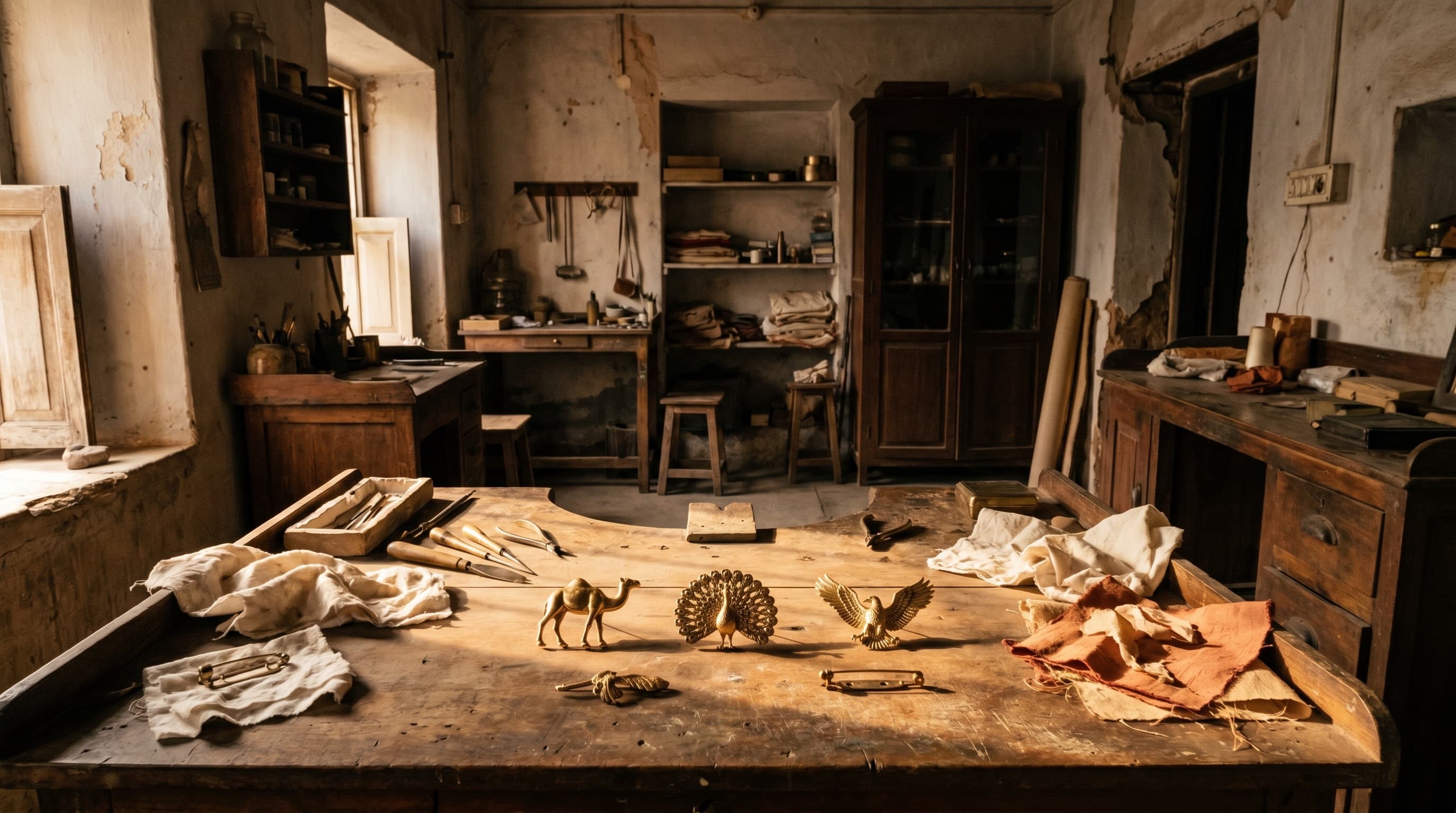
The House of Saya
Heirlooms in the making.
A small atelier sitting at the intersection of Indian craftsmanship and European haute joaillerie. Reference points: Boucheron, Sabyasachi, Van Cleef & Arpels, Buccellati — not Shopify DTC.
Every piece is hand-finished. Editorial. Quietly expensive. Made for the woman who reaches for a sari on Saturday and a blazer on Monday.
Materials
Worth keeping. Worth wearing.
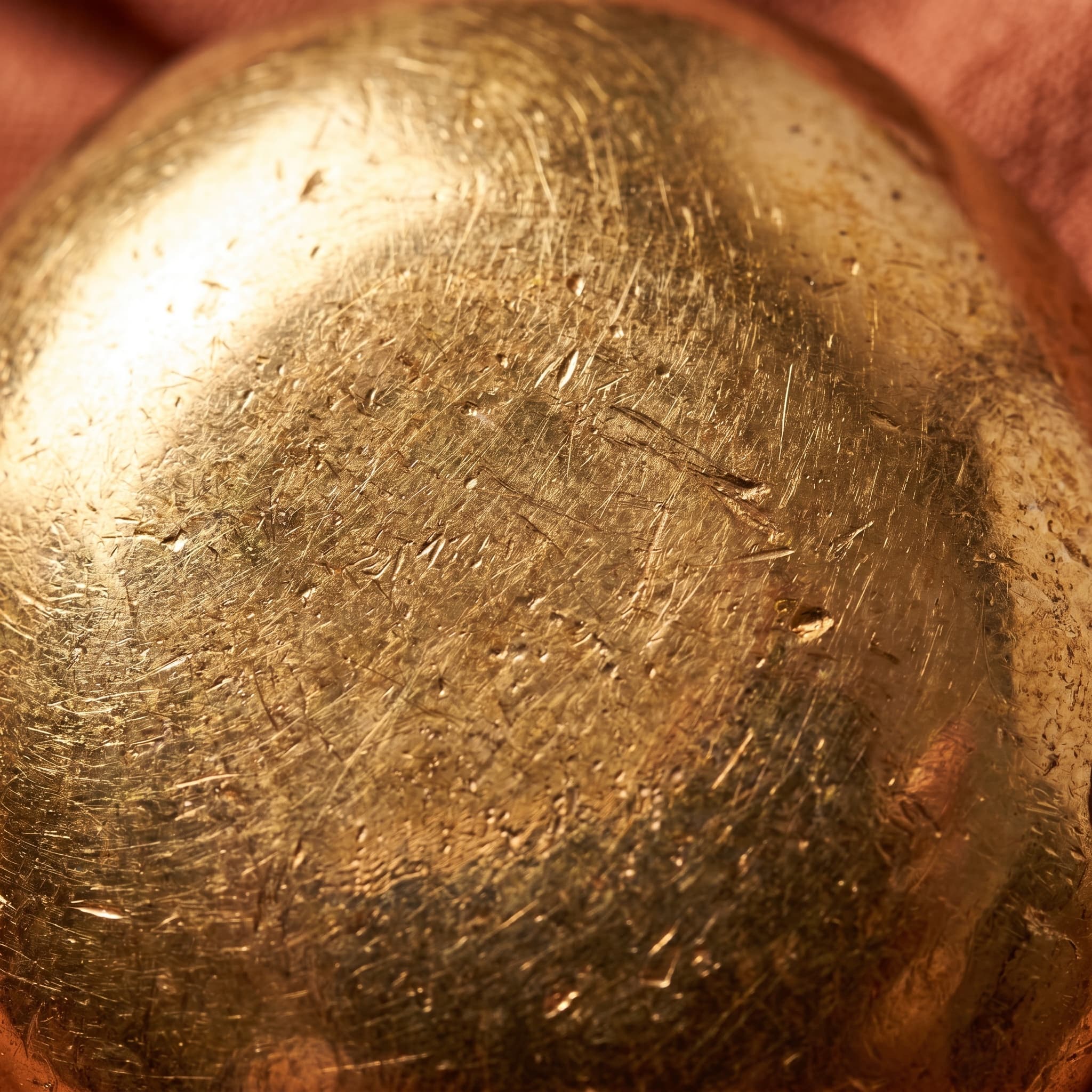
Antique gold finish
A heirloom-grade gold finish over hand-cast solid bronze. Buffed by hand at the Hyderabad studio. It doesn't chip the way thin plating does — it ages like real metal.
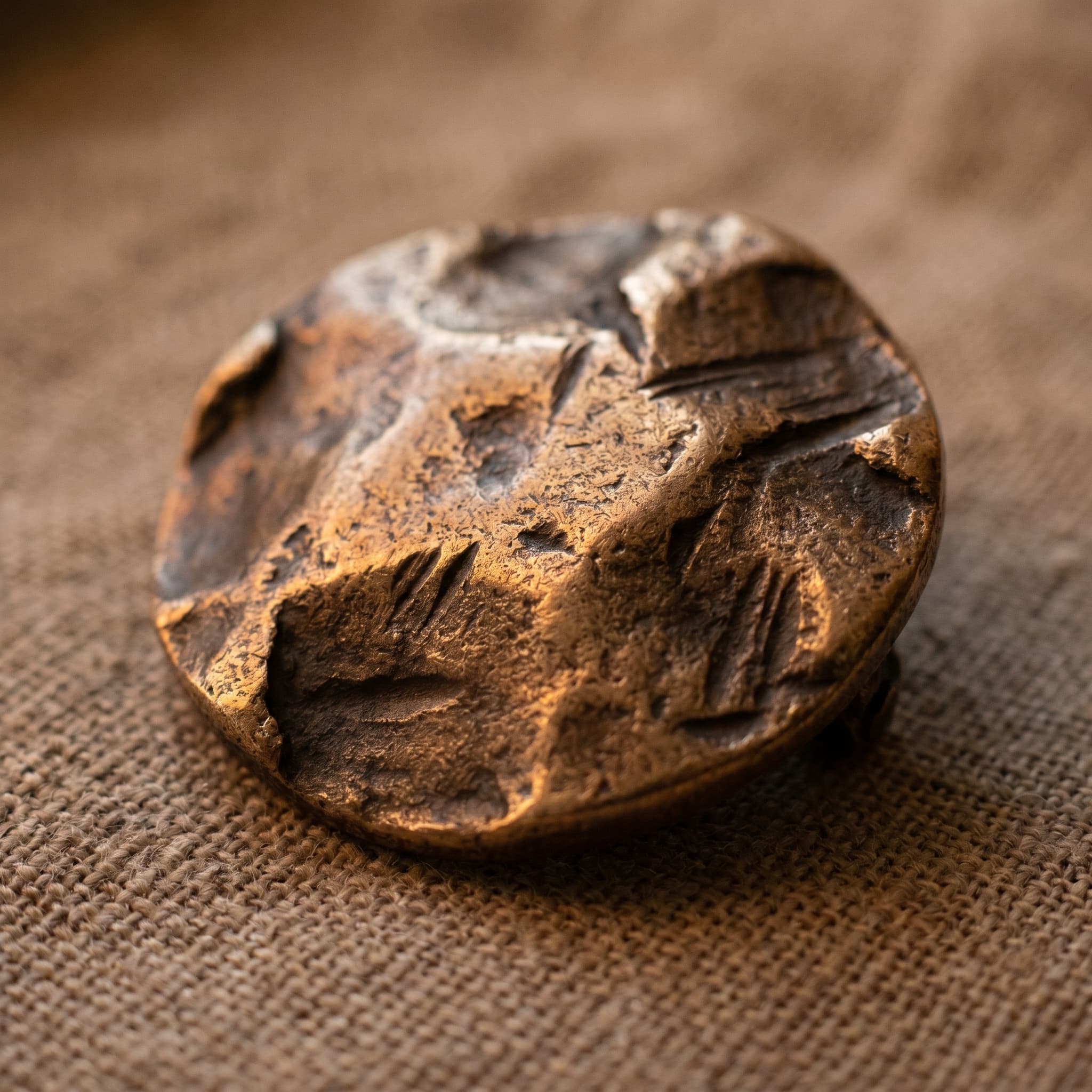
Solid bronze
Pieces are weighted, not hollow. Bronze holds detail that thin-plate jewellery never can. You feel the difference the moment you pick one up.
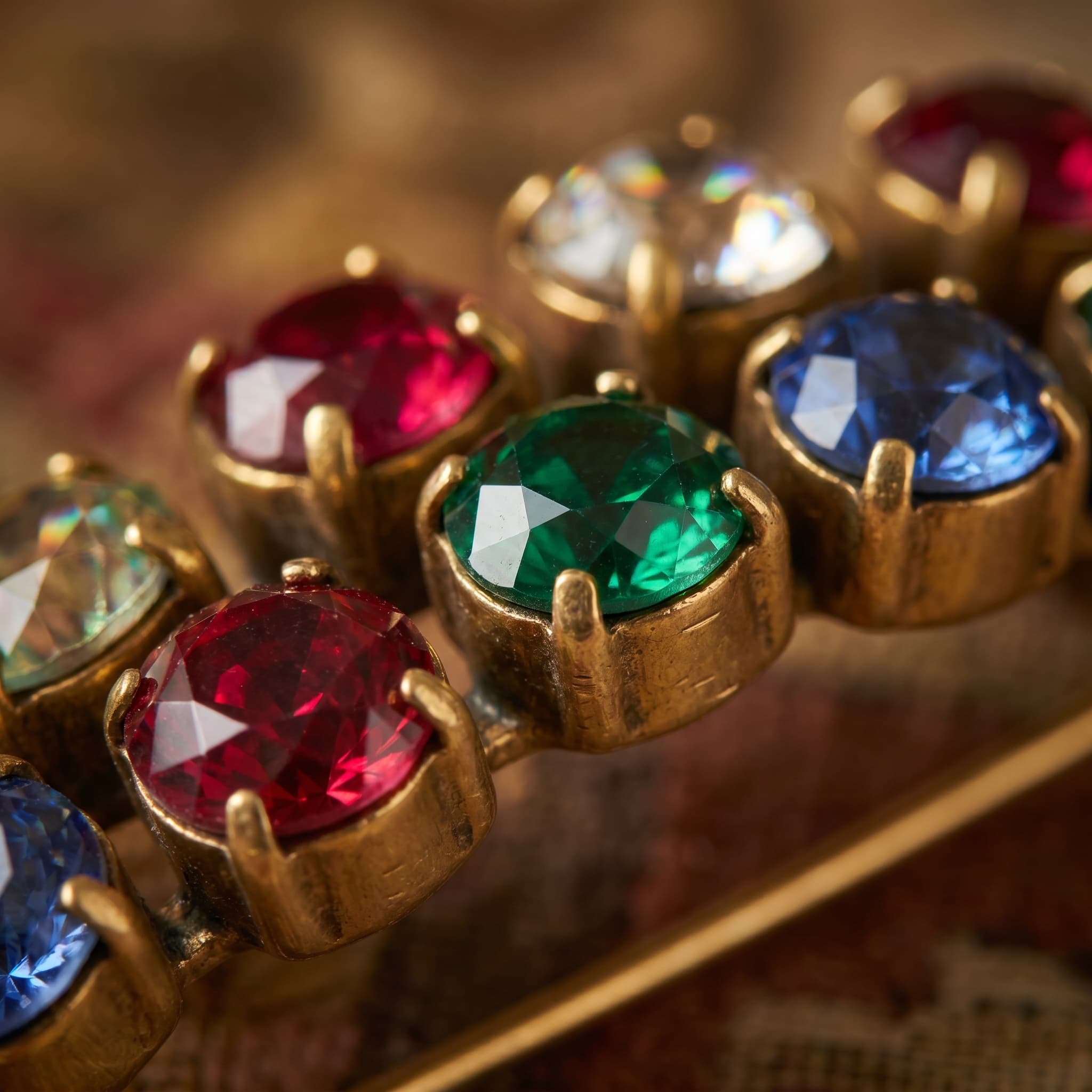
Hand-set stones
Czech crystal and lab-grown spinel, prong-set by hand. Every clasp is brass-tipped and locks closed — designed to move from a lapel to a sari without fear.
The Atelier
One room. Five hands.
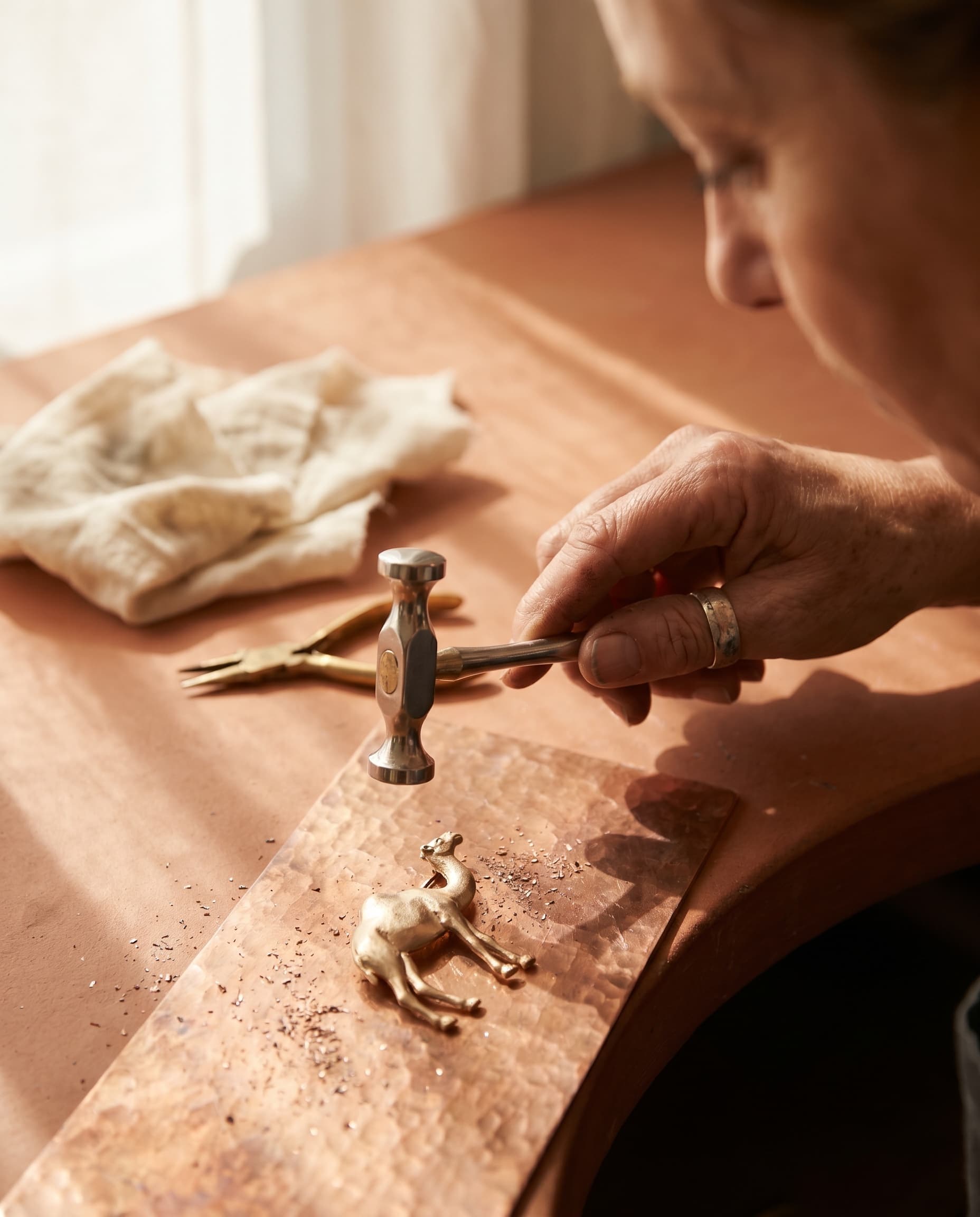
The studio sits above an old textile shop in Hyderabad's Banjara Hills. Three karigars who learned their craft on temple jewellery. One polisher trained in Jaipur. One founder who couldn't find brooches she wanted to wear.
Production is slow on purpose. Each piece passes through every pair of hands before it leaves the room — no assembly line, no machines doing the finishing. A camel takes six days. The peacock takes eleven.
The process
From sketch to your jacket.
Sketched
In a leather notebook in Hyderabad. Most pieces start as a single animal silhouette.
Cast
Solid bronze, lost-wax casting at a 60-year-old foundry. Two days.
Finished
Antique gold polish, hand-set stones, brass-tipped roll-clasp. Three to seven days.
Wrapped
Muslin pouch with the maker's name, a printed dust card, ribbon. Shipped same week.
The founders
Divya & Simran.
Met at a wedding in Udaipur in 2022. One sketching brooches on a napkin. The other asking who made them. The answer was no one yet.
Read the full story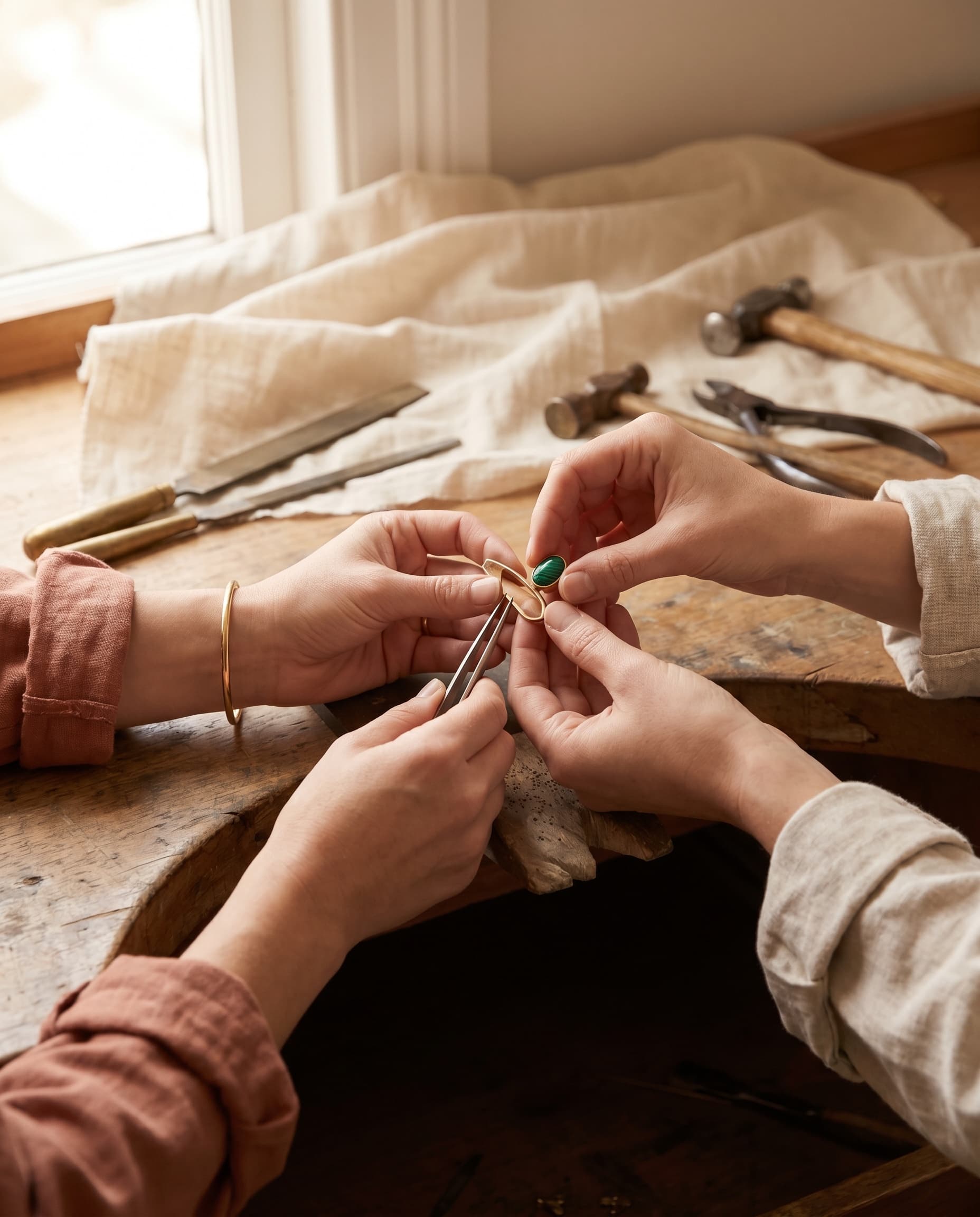
Ways to Wear
One brooch. Six places.
Every piece is built to live on more than a lapel. The full guide is below.
The guide